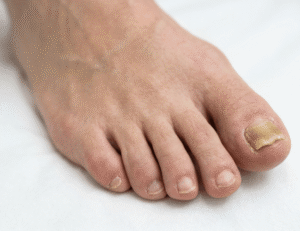
Overlapping Toes: What You Need to Know
The architecture of the human foot is remarkable, 26 bones, 33 joints, and over 100 muscles, tendons, and ligaments work together to support us. But when the balance is disrupted, even slightly, discomfort can grow into a chronic issue. And overlapping toes? They’re one of the lesser talked about foot deformities that can seriously affect stability, mobility, and overall quality of life.
At SFL Medical Group, we see patients from all walks of life struggling with overlapping toes, some seeking cosmetic improvement, many needing relief from chronic pain. Let’s walk through everything you should know.
What Are Overlapping Toes?
Overlapping toes occur when one toe lies on top of an adjacent toe, often causing discomfort, misalignment, and difficulty finding shoes that fit properly. While the most commonly affected toes are the second and fifth (also known as the baby toe), any toe can overlap under the right circumstances.
We often see two main types:
- An overlapping fifth toe: where the pinky toe curves over the fourth.
- An overlapping second toe: usually related to longer second toes or underlying joint instability.
This condition may be present at birth (congenital) or develop over time (acquired), especially in adulthood as foot mechanics change.
The Hidden Toll of Overlapping Toes
For many patients, overlapping toes aren’t just a cosmetic issue. They can lead to:
We’ve worked with patients whose lifestyle choices were limited, one even gave up his morning jogs simply because the discomfort got too intense. This isn’t something to ignore.
Common Causes of Overlapping Toes
Understanding the root causes helps with both treatment and prevention. Here are some of the usual culprits we identify during clinical evaluations:
1. Genetics
Many foot shapes and toe positions are inherited. If overlapping toes run in the family, there’s a higher likelihood they’ll develop sometimes even during childhood.
2. Ill-Fitting Shoes
Tight shoes, pointy toe boxes, or high heels can crowd toes together, forcing them over each other until the position becomes semi-fixed or permanent.
3. Foot Structure Issues
Flat feet, bunions, or longer second toes create imbalances that contribute to overlapping. In many cases, biomechanics need to be assessed holistically.
4. Injury or Trauma
A stubbed toe or improperly healed fracture can change the alignment of toe joints, gradually leading to overlap.
5. Neuromuscular Conditions
Certain conditions like cerebral palsy or stroke can cause muscle imbalances that lead to involuntary toe contractions and overlapping.
Diagnosis: What to Expect at SFL Medical Group
When you visit us with overlapping toe concerns, our specialists begin with a thorough clinical exam and foot evaluation. We look for:
- Alignment problems
- Skin pressure points
- Joint flexibility
- Gait abnormalities
X-rays help us assess joint integrity, while we may order custom imaging if surgical planning is needed.
Treatment Options: From Conservative to Surgical
The good news? Not every overlapping toe requires surgery. We explore non-invasive approaches first before considering more advanced interventions.
Conservative Treatments
1. Toe Spacers & Splints
These help realign toes temporarily and are especially effective for flexible deformities or early intervention.
2. Orthotics
Custom shoe inserts can redistribute pressure, support arches, and prevent worsening of the overlap.
3. Proper Footwear
We guide patients toward roomier shoes with wide toe boxes and low heels. Sometimes, just changing your shoes makes a world of difference.
4. Physical Therapy
Exercises to strengthen intrinsic foot muscles and stretch tight ligaments can improve toe posture over time.
5. Padding & Corn Removal
To reduce friction and pain, we often use custom pads and address corns that form from chronic rubbing.
When Surgery Becomes the Right Choice
We reserve surgery for moderate to severe overlapping where conservative options fall short. Key surgical approaches include:
- Soft tissue releases for flexible deformities
- Tendon transfers or joint realignment
- Bone shaving or correction of underlying bunion/hammertoe
- In extreme congenital cases, toe amputation may be considered but this is rare and always a last resort
Our surgical team ensures you understand the process from pre-op to rehab. Postoperative care typically includes protective footwear, physical therapy, and gradual return to full activity.
How to Prevent Overlapping Toes
Our foot specialists don’t just treat existing issues, we focus just as much on prevention. Here’s how:
- Choose proper footwear early on with plenty of toe room
- Avoid excessive time in heels or narrow shoes
- Seek treatment for bunions, hammertoes, or flat feet before they worsen
- Strengthen feet with exercises like toe curls, marble pickups, and towel scrunches
- Don’t ignore pain, your body is telling you something
When to See a Specialist
While some mild toe overlaps are harmless, we encourage bringing it up if you notice:
- Persistent pain or redness
- Formation of corns or open sores
- Difficulty finding comfortable shoes
- Restriction in toe movement
- Visible worsening month to month
Overlapping toes may seem like a minor nuisance but they often signal deeper structural issues that, if unaddressed, lead to bigger problems. Don’t wait for discomfort to control your steps. Our team at SFL Medical Group offers personalized care that’s both clinically advanced and compassionately delivered.
Book your consultation today, and let’s put your best foot forward together.