Blog
Sprained Ankle vs. Broken Ankle: How to Know the Difference
Every year, ankle injuries send millions of people rushing to the nearest clinic or emergency room and most of them arrive with the same

You’ve finally decided it’s time, you’re done ignoring that nagging pain in your calves when walking short distances. It creeps in right under your glute or in your thigh after a few blocks, forcing you to stop. That aching, cramp-like pain vanishes with rest and returns again once you resume walking. This classic on-off leg pain? It’s called claudication and if you’re in the Miami area, there’s expert help available at SFL Medical Group to properly evaluate and treat it.
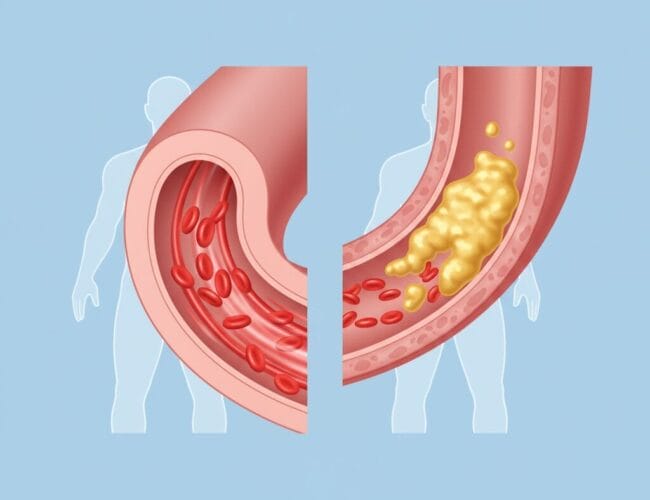
That pain is more than just an inconvenience. It’s often a clear signal that your arteries are becoming narrowed and that blood’s struggling to nourish your working muscles. Left untreated, claudication can progress to more serious forms of peripheral arterial disease (PAD), even critical limb ischemia.
At SFL Medical Group, we understand how concerning this can be. That’s why we work with a team of leading vascular surgeons in Miami who specialize in diagnosing and treating claudication at any stage. Let’s break down everything you need to know, what claudication actually is, how we grade its severity, interesting diagnostic signs like the Ice Cream Sign, and the advanced treatments and surgical options available.
Claudication refers to leg pain triggered by physical activity, typically walking and relief by rest. It stems from insufficient blood flow to the muscle, commonly due to blockages or narrowing in the arteries of the legs. Most often, it’s a manifestation of peripheral artery disease (PAD), a form of atherosclerosis in the limbs.
The term “claudication” comes from the Latin word “claudicare,” meaning “to limp.” And patients often do limp subtly. This is your body’s way of signaling that your muscle isn’t getting enough oxygen.
There are two primary types:
If left untreated, claudication can evolve into chronic limb-threatening ischemia, non-healing ulcers, or in rare cases result in amputation.
You may not expect ice cream to play a role in medical diagnostics, yet it does.
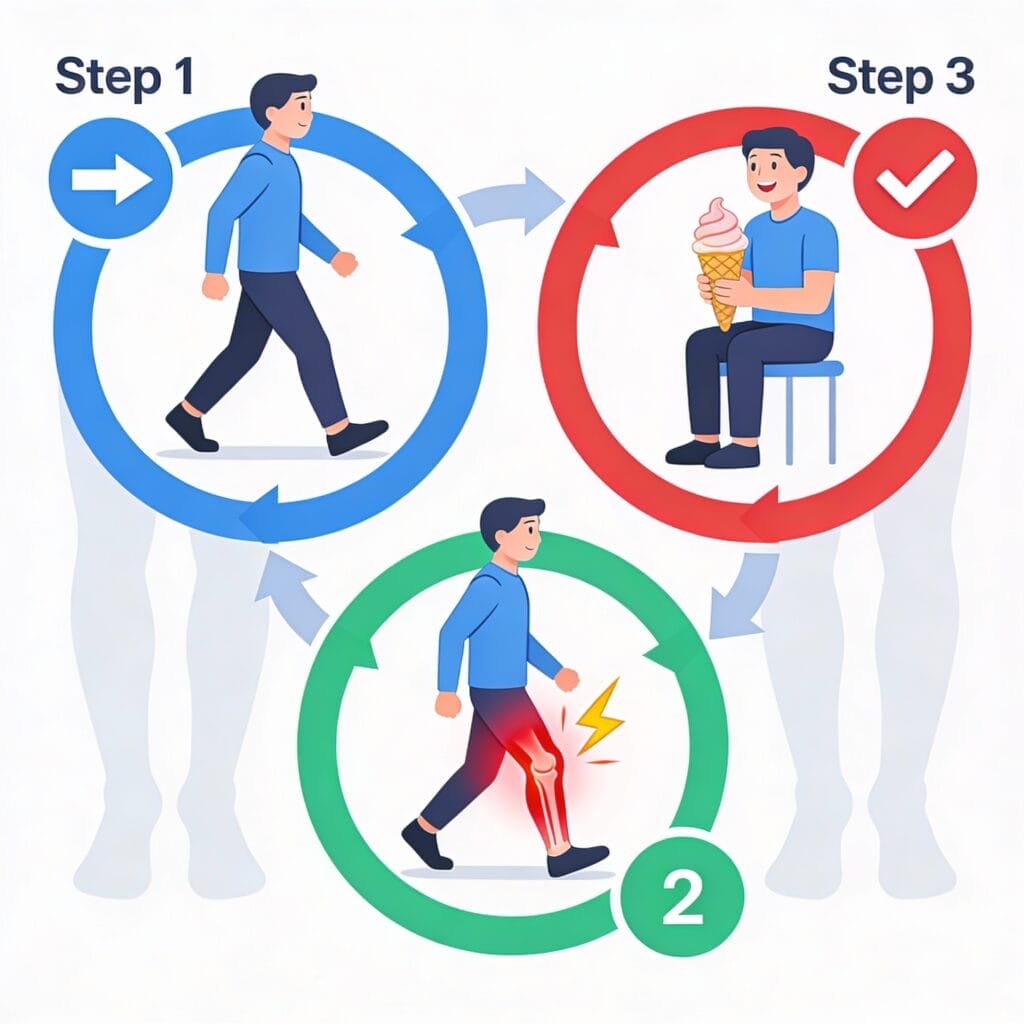
The “Ice Cream Sign” is a conversational diagnostic tool that vascular specialists sometimes use when taking patient histories. It refers to a scenario where a person walks with discomfort until the pain forces them to stop, like walking to the ice cream truck, getting the cone, and then pausing to rest while enjoying their treat. Once finished, the leg pain has subsided, and they continue walking, only to repeat a few blocks later.
Clinically, this reflects classic intermittent claudication. Patients naturally create breaks due to discomfort, and the relievable pattern is key to diagnosing vascular origin.
From a diagnostic standpoint, it helps differentiate true claudication from spinal or musculoskeletal sources of leg pain.
At our vascular centers throughout Miami, diagnosing claudication begins with a detailed history and physical exam. We focus on questions like:
Then, we proceed to diagnostic tests to confirm the severity and specific vascular cause.
1. Ankle-Brachial Index (ABI)
2. Doppler Ultrasound
3. Arterial Duplex Scanning
4. CT Angiography (CTA) or MR Angiography (MRA)
5. Treadmill Testing
Claudication, like most vascular conditions, is on a spectrum. Accurate grading helps us formulate a customized treatment plan at SFL Medical Group. Here’s a simplified scale:
This grading system helps us determine urgency whether lifestyle changes alone will suffice, or if we need to rapidly schedule an angiogram, stenting, or surgical bypass.

We prioritize a multidisciplinary and step-wise approach. Claudication may begin as a lifestyle-limiting annoyance, but in many cases, early steps dramatically improve quality of life.
Smoking Cessation: We can’t overstate this. Smoking is the biggest risk factor.
Medications:
If conservative measures stall progress, we’ll move toward deeper imaging and staging. This includes:
If claudication significantly disturbs your lifestyle or threatens limb health, we may recommend restoring blood flow via:
Our vascular surgeons at SFL Medical Group are specialized in both endovascular and open surgical methods. We tailor every plan to the disease pattern, severity, and patient needs.
Leg pain in older adults can so easily be chalked up to aging or arthritis. But if we miss the window for early intervention, consequences grow. Untreated PAD is linked with higher cardiac event risk, often a 6x greater chance of heart attack or stroke.
Our board-certified vascular surgeons don’t just treat the legs, we evaluate the entire vascular health risk profile, ensuring you’re protected from head to toe.
If you or a loved one is experiencing leg pain while walking, don’t assume it’s aging or overuse. Claudication is a warning sign and one we take very seriously at SFL Medical Group. Early recognition, accurate diagnosis, coordinated care and cutting-edge revascularization techniques are all part of our comprehensive vascular program.
Schedule a consultation with one of our Miami vascular specialists today. Let’s get you back on your feet, pain-free.
Every year, ankle injuries send millions of people rushing to the nearest clinic or emergency room and most of them arrive with the same

Almost 8 in 10 Americans have experienced a foot problem at some point in their lives, yet most people couldn’t tell you what a podiatrist